Peripheral neuropathy can occur due to several factors, including diabetes, vitamin deficiencies, pressure on the nerves, or certain chronic diseases. Therefore, the treatment of peripheral neuropathy depends on identifying the main cause of the condition to reduce symptoms and improve nerve function.
In this article, we will discuss the symptoms of peripheral neuropathy, its causes, different treatment methods for nerve inflammation in the hands and legs, the best prevention methods, and when it is necessary to visit a doctor.
What Are Peripheral Nerves?
Peripheral nerves are the group of nerves located outside the brain and spinal cord. They are responsible for transmitting nerve signals between the nervous system and the rest of the body. When these nerves become inflamed or damaged, the patient may experience numbness, burning sensations, or muscle weakness. Symptoms may vary depending on the location and severity of the nerve damage.
What is an Anti-Inflammatory Nerve Root Injection
Symptoms of Peripheral Neuropathy
The symptoms of peripheral neuropathy vary from person to person, but some common symptoms include:
Numbness or tingling in the limbs
Burning pain in the hands or feet
Muscle weakness
Gradual loss of sensation
Muscle cramps or spasms
If these symptoms continue for a long time, it is recommended to consult a doctor for proper diagnosis and treatment.
Causes of Peripheral Neuropathy
There are many causes that may lead to peripheral nerve inflammation, and the condition differs depending on the patient’s health status and type of injury. Common causes include:
Diabetes
Vitamin B12 deficiency and other nerve-supporting vitamins
Continuous pressure on the nerves
Herniated disc
Injuries or accidents
Autoimmune diseases
Long-term use of certain medications
Poor blood circulation
Smoking and alcohol consumption
Identifying the exact cause helps in choosing the most suitable treatment and reducing symptom progression.
Treatment of Nerve Inflammation in the Hands
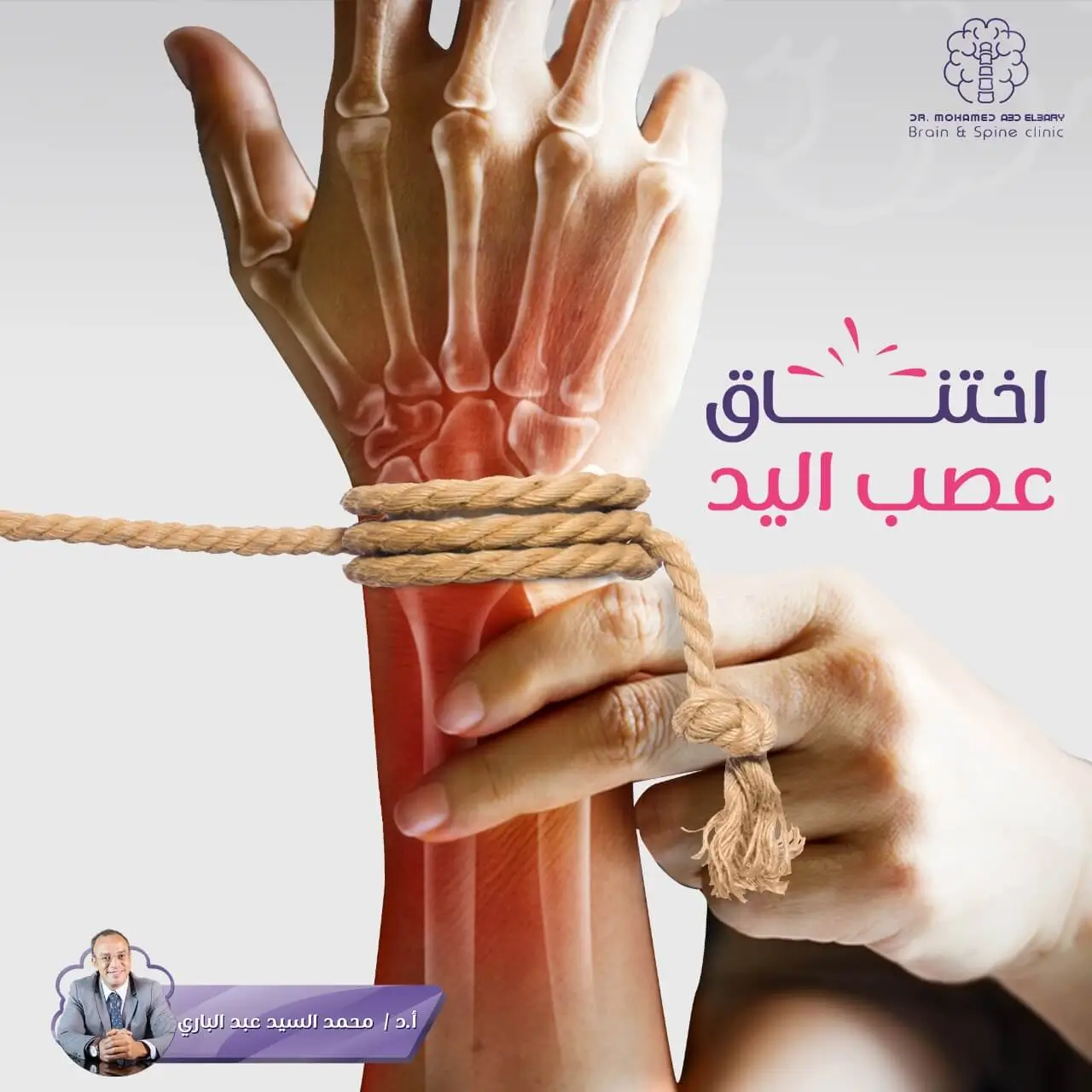
Treatment for nerve inflammation in the hands depends on the cause of the inflammation and its effect on hand movement. Treatment may include rest, reducing pressure on the nerves, using certain medications, and physical therapy sessions that help improve movement and strengthen muscles.
Doctors may also recommend using a hand brace or taking vitamins that support nerve health, such as Vitamin B12.
Your comprehensive guide to hand numbness
The treatment of nerve inflammation in the legs aims to reduce pain and improve movement. Treatment usually begins by controlling the main cause, such as regulating blood sugar levels or treating vitamin deficiencies, along with medications that help relieve nerve pain.
Physical therapy and light walking may also help improve blood circulation, strengthen muscles, and reduce numbness.
Can Peripheral Neuropathy Be Cured?
Recovery from peripheral neuropathy depends on the cause of the condition and the extent of nerve damage. In some cases, nerves may improve significantly with early treatment and adherence to the treatment plan, especially when the cause is related to vitamin deficiency or nerve compression.
In chronic conditions such as diabetic neuropathy, treatment may focus on controlling symptoms, reducing pain, and preventing the condition from worsening. Therefore, early diagnosis plays an important role in improving recovery chances.
Is Walking Beneficial for Peripheral Neuropathy?
Light and regular walking can help improve blood circulation and strengthen muscles, which may reduce some symptoms of peripheral neuropathy.
Physical activity may also help reduce stiffness and improve balance and movement in some patients.
When Should You Visit a Doctor?
It is recommended to visit a doctor if you experience:
Persistent numbness or pain
Muscle weakness
Loss of sensation in the limbs
Difficulty maintaining balance while walking
Conclusion
Peripheral neuropathy can affect quality of life due to pain, numbness, and muscle weakness. However, early diagnosis can significantly help control symptoms and improve nerve health. Therefore, it is important to follow up with a doctor to receive the appropriate treatment and avoid possible complications in the future.
FAQ
Can Peripheral Neuropathy Be Completely Cured?
Recovery depends on the cause and the extent of nerve damage. Some cases improve significantly with early treatment, while chronic cases may require ongoing management to control symptoms.
What Are the Early Warning Signs of Peripheral Neuropathy?
Common early signs include numbness or tingling in the hands and feet, along with burning sensations or reduced sensitivity in the limbs.
What Are the Best Vitamins for Strengthening Nerves?
Certain vitamins help support nerve health, especially Vitamins B1, B6, and B12, as they help improve nerve function and reduce numbness.
When Does Treatment Start Showing Results?
The improvement period varies depending on the condition and its cause, but some patients may notice gradual improvement within a few weeks of following the prescribed treatment plan.
Does Smoking Affect Peripheral Neuropathy?
Yes, smoking can negatively affect nerve health because it weakens blood circulation and reduces oxygen and nutrient supply to the nerves, which may worsen symptoms and slow recovery