
Fear of operations has no place in Dr. Mohamed Abd ElBarys' clinic

Left-Sided Migraine
Left-sided migraine is a common health condition experienced by many people, caused by a variety of factors and reasons. These causes may include stress, hormonal changes, or even genetic factors. In this article, we will discuss the main causes of left-sided migraines and the factors that contribute to their occurrence, along with tips for managing this condition.
Symptoms of Left-Sided Migraine
- Increased Pain with Movement: One of the distinctive features of left-sided migraine is that the pain worsens with movement or any physical activity. The affected person may notice that fast walking or even simple movements like turning the neck can significantly exacerbate the pain. Therefore, most sufferers tend to rest in a dark and quiet place to relieve the pain.
- Nausea and Vomiting: Nausea is a common symptom associated with left-sided migraine. In many cases, migraine attacks are accompanied by a feeling of nausea, which may escalate to vomiting. This sensation worsens with exposure to bright lights or loud sounds, making the person prefer to stay in a quiet and dark environment to reduce these symptoms.
- Light Sensitivity: Light sensitivity is a common symptom in cases of left-sided migraine. The affected individual may find that bright light, white lights in public places, or even indoor lighting becomes unbearable and increases the intensity of the pain. Sometimes, the person may even be unable to tolerate natural sunlight.
- Sound Sensitivity: In addition to light sensitivity, left-sided migraine sufferers also experience sensitivity to loud or annoying sounds. Ordinary sounds like television noise or even regular conversation can be extremely bothersome. In some cases, these sounds may make the person feel more pain and nausea.
- Vision Problems: Aura is a set of visual or sensory symptoms that may appear before or during a migraine attack. In cases of left-sided migraine, the affected individual may experience vision problems, including seeing zigzag lines, flashes of light, or even temporary vision loss in certain areas of the visual field. These symptoms usually last for a few minutes before the main pain begins.
- General Fatigue and Dizziness: Many people with left-sided migraine feel extreme fatigue that may precede or accompany the headache episode. This fatigue can be accompanied by dizziness or loss of balance, making the person unable to perform any activities. In some cases, this sensation can persist for several hours.
- Excessive Sweating: One of the symptoms that may occur during a left-sided migraine attack is excessive sweating. The person may feel that they are sweating abnormally, especially on the forehead and face, which can cause discomfort. This sweating usually occurs due to stress caused by the pain.
- Mood Changes: Sometimes, left-sided migraine is accompanied by noticeable mood changes. Some individuals may feel depressed or anxious before or after a migraine attack. The affected person may also experience increased irritability or nervousness, affecting their social interactions.
- Difficulty Concentrating: Left-sided migraine episodes cause difficulty in concentration and attention. People suffering from migraines may find it hard to perform daily tasks, pay attention to conversations, or read. This effect can last for a long time even after the migraine attack has subsided.
Causes of Left-Sided Migraine
- Genetic Factors: Genetics is one of the main causes of left-sided migraine. If a family member suffers from migraines, the chances of an individual developing migraines increase significantly. Studies indicate that genetic factors may contribute to a person's susceptibility to migraines.
- Hormonal Changes: Hormonal changes affect women more than men, making them more prone to left-sided migraines. These changes may be related to menstrual cycles, pregnancy, or menopause. Changes in hormone levels, such as estrogen, can trigger migraine episodes.
- Stress and Psychological Pressure: Psychological and emotional stress are significant contributing factors to left-sided migraines. When a person experiences work-related stress, academic pressure, or daily life stress, it can activate areas in the brain that contribute to migraine episodes.
Migraine Treatment
- Medication: Painkillers or migraine-specific medications can be used under a doctor's supervision.
- Relaxation Techniques: Practicing techniques such as yoga or meditation may help reduce stress levels, thereby reducing the likelihood of migraines.
- Improving Lifestyle: Maintaining a regular sleep routine, eating healthy meals, and avoiding migraine triggers.
- Consulting a Specialist Doctor: If symptoms persist or worsen, a specialist should be consulted to diagnose the condition and prescribe appropriate treatment.
Suggested Articles

Locations of Spinal Cord Injuries
3676
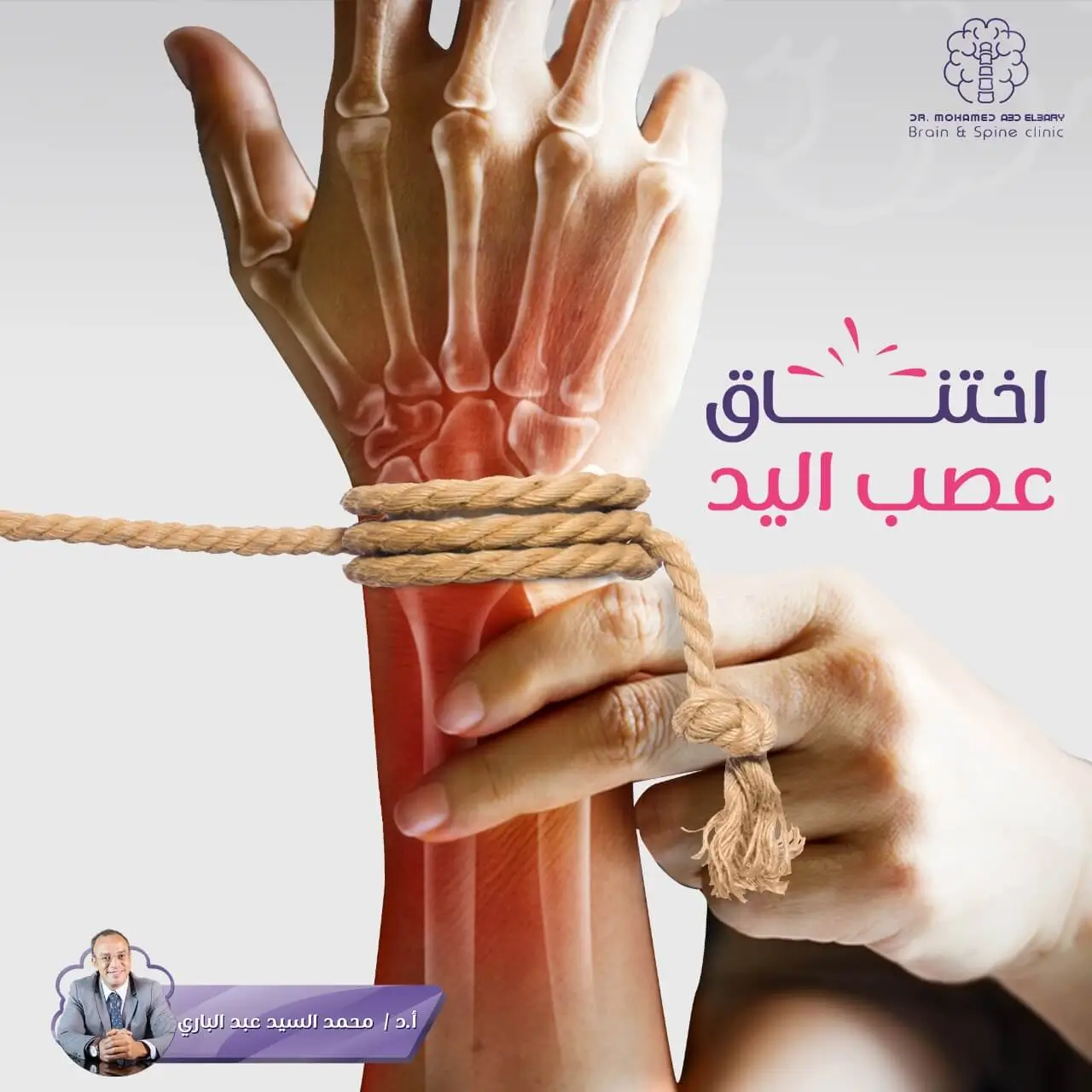
Hand Nerve Compression – Causes, Symptoms, and Treatment
11212
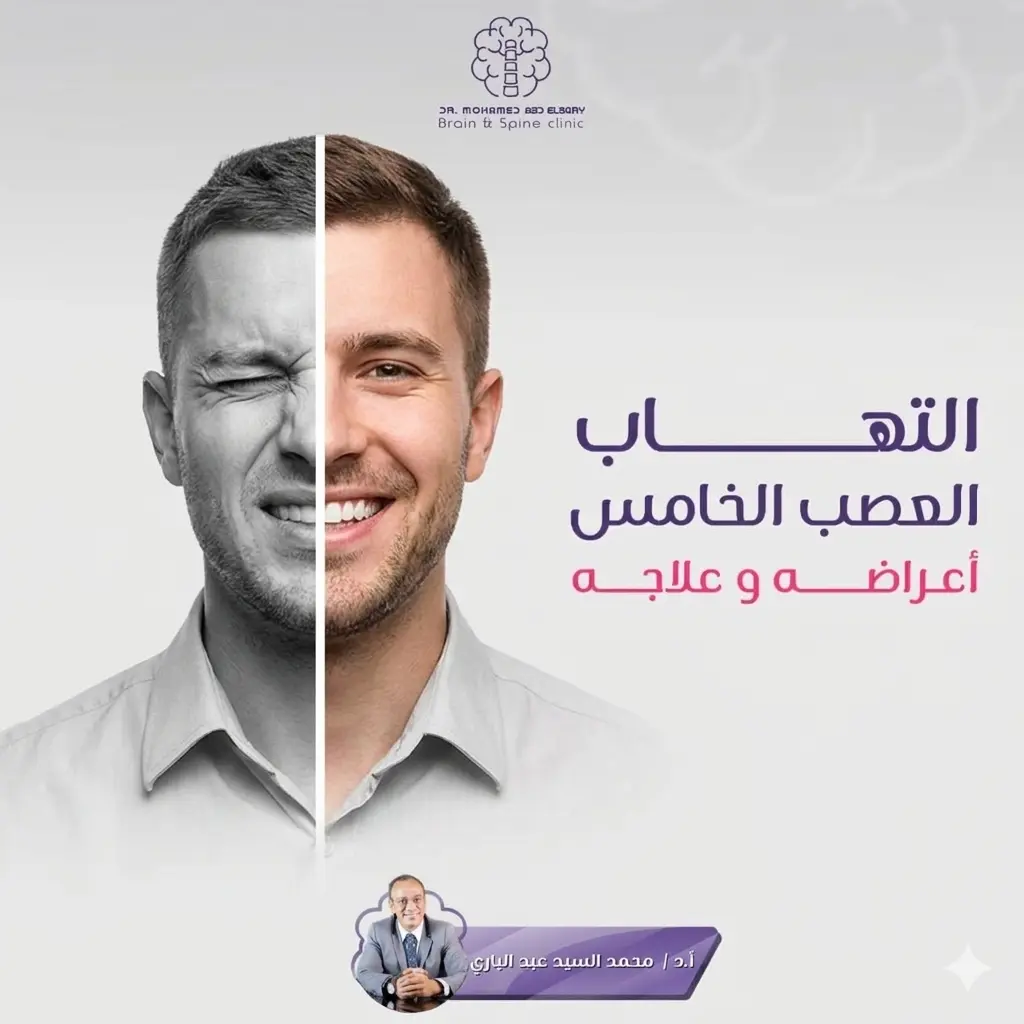
Trigeminal Neuralgia Symptoms: Key Signs & Relief Options
10558
Vertebroplasty: Reasons, procedures and expectations
4824

Shoulder tendonitis : A comprehensive guide to treat this condition
5659