
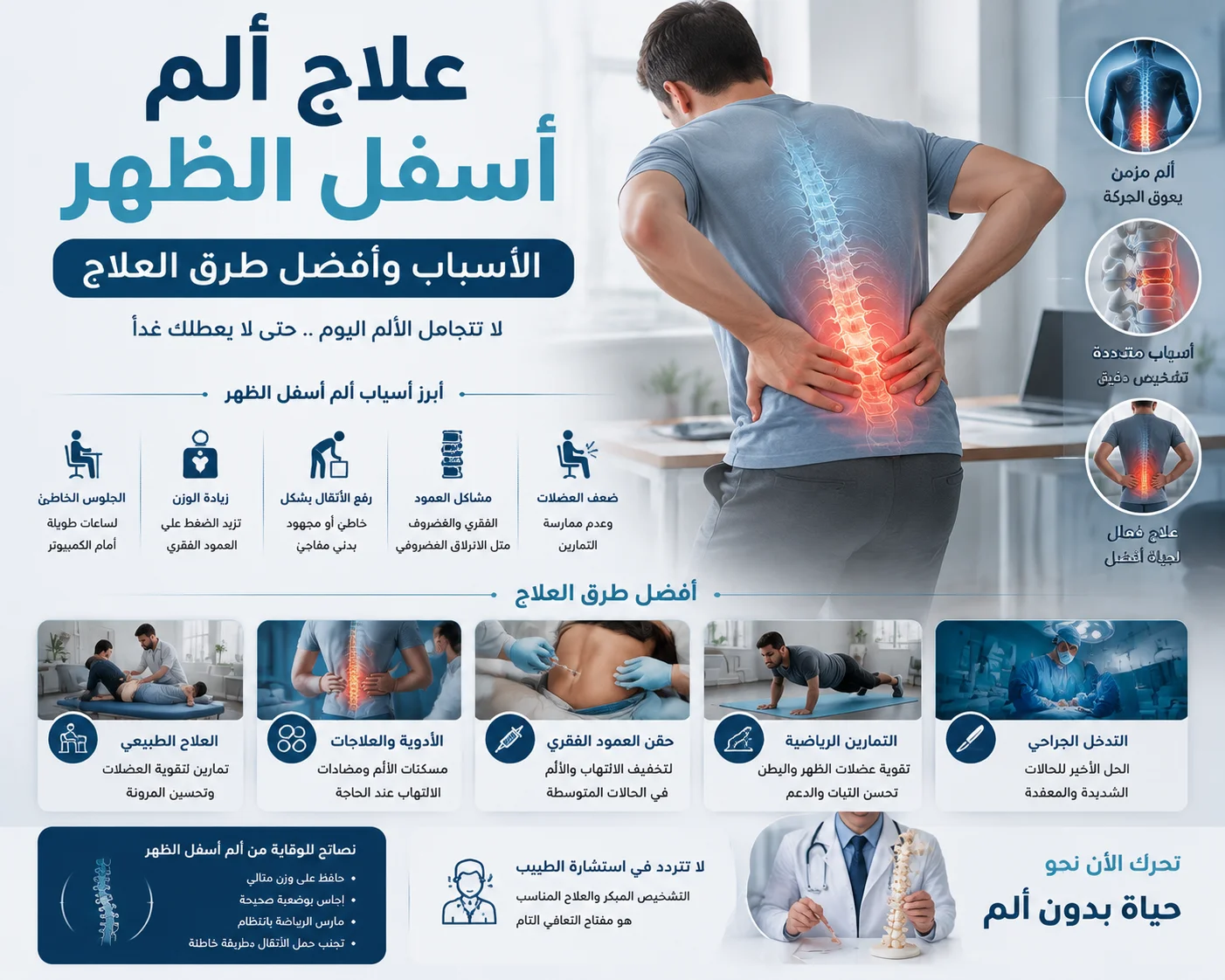
Lower back pain is one of the most common health problems and can affect a person’s ability to move and perform daily activities normally. The causes of lower back pain vary from one person to another. It may result from muscle strain, disc problems, spinal canal narrowing, or spinal injuries.
Lower back pain treatment depends on identifying the underlying cause and making an accurate diagnosis. Therefore, there is no single treatment that is suitable for every patient. Some cases improve with conservative treatment, while others may require advanced interventions such as injections or minimally invasive spine surgery.
This article was medically reviewed by Professor Dr. Mohamed Abdelbary, Consultant of Neurosurgery and Spine Surgery.
Causes of Lower Back Pain
There are many possible causes of lower back pain. The problem may develop due to simple factors such as muscle strain or sitting for long periods in an improper position. In other cases, the pain may be caused by a condition that requires specialized medical evaluation.
Some of the most common causes of lower back pain include:
-
Muscle strain or ligament injuries caused by excessive physical effort.
-
Lumbar disc herniation that puts pressure on the nerves.
-
Spinal canal stenosis in the lumbar vertebrae.
-
Degenerative changes in the spinal joints.
-
Vertebral fractures, especially in people with osteoporosis.
-
Spinal injuries or deformities.
In some cases, lower back pain may be accompanied by other symptoms such as numbness, weakness in the limbs, or pain that extends into the leg. These symptoms require specialized examination to identify the cause and determine the appropriate treatment.
Lower Back Pain Treatment According to the Cause
Lower back pain treatment varies depending on the diagnosis and severity of the condition. When appropriate, doctors usually begin with non-surgical treatment before considering more advanced options.
Treatment methods may include:
Medication and Physical Therapy
Certain medications prescribed by a doctor may help reduce pain and inflammation for a limited period. However, medications do not always treat the underlying cause of the problem. Physical therapy is also an important treatment approach that can help strengthen the back muscles, improve spinal flexibility, and reduce the risk of recurrent pain.
Physical therapy may include:
-
Exercises to strengthen the back and abdominal muscles.
-
Exercises to improve body posture.
-
Stretching and gradual movement exercises.
-
Modifying daily habits such as sitting and lifting techniques.
Maintaining appropriate physical activity is generally better than prolonged rest, as extended inactivity may lead to muscle weakness and potentially worsen the problem.
Modern Interventions for Lower Back and Spinal Problems
In some cases, conventional treatment may not be sufficient, particularly when the pain is caused by nerve compression or problems involving the discs and vertebrae. In these situations, treatment is determined according to the examination findings and imaging results.
Some of the available techniques include:
-
Injections around nerve roots, discs, and facet joints to reduce pain and inflammation.
-
Disc decompression or vaporization techniques in selected cases of herniated discs.
-
Minimally invasive spine surgery, which can treat certain spinal conditions through small incisions and may reduce recovery time.
-
Percutaneous spinal fixation when required in certain cases.
The appropriate intervention depends on the patient's condition rather than pain intensity alone. Therefore, an accurate diagnosis is an essential step before making any treatment decision.
Lower Back Pain Treatment in Women
The causes of lower back pain in women may differ in some cases from those in men. Pain may be associated with the menstrual cycle, pregnancy-related changes, or certain pelvic conditions, in addition to common causes such as muscle and disc problems.
Lower back pain treatment in women depends on the underlying cause and may include:
-
Improving physical activity and strengthening the back muscles.
-
Using warm compresses to relieve muscle spasms.
-
Treating spinal problems when the cause is related to a disc or nerve condition.
-
Consulting a doctor when pain persists or unusual symptoms develop.
If lower back pain is accompanied by numbness in the feet, weakness when moving, or problems controlling urination or bowel movements, prompt medical evaluation is necessary.
Lower Back Pain Treatment in Men
Men may experience lower back pain due to the nature of their work, heavy lifting, or sports injuries. Other possible causes include conditions such as herniated discs or spinal canal stenosis.
Lower back pain treatment in men may include:
-
Reducing activities that increase pain while maintaining appropriate movement.
-
Performing suitable exercises under professional supervision.
-
Treating the underlying cause, whether it is muscular or related to the vertebrae.
-
Considering advanced medical interventions when pain persists or there is pressure on the nerves.
Painkillers should not be relied on for long periods without identifying the underlying cause. Persistent pain may indicate a condition that requires specialized treatment.
Lower Back Pain Treatment During Pregnancy
Lower back pain during pregnancy is common due to increased fetal weight, changes in body posture, and increased pressure on the pelvis and spine.
Pain during pregnancy may be reduced by:
-
Maintaining proper sitting and standing posture.
-
Performing pregnancy-appropriate exercises after consulting a doctor.
-
Avoiding heavy lifting.
-
Using appropriate support measures when necessary.
A doctor should be consulted if the pain is severe or accompanied by bleeding or unusual symptoms to ensure the safety of both the mother and the baby.
When Should You See a Doctor for Lower Back Pain?
Although many cases of lower back pain improve with simple treatment, certain warning signs require medical evaluation, including:
-
Persistent pain that does not improve.
-
Pain that spreads into the leg.
-
Numbness or weakness in the limbs.
-
Loss of bladder or bowel control.
-
Pain that develops after a serious injury or fall.
Early diagnosis can help determine the appropriate treatment and prevent the condition from becoming more complicated.
Book an Appointment with Dr. Mohamed Abdelbary for Spine Problems
If you experience persistent lower back pain or symptoms related to the spinal discs or nerves, specialized diagnosis can help identify the actual cause and determine the most appropriate treatment approach.
At Dr. Mohamed Abdelbary's Neurosurgery and Spine Surgery Center in Alexandria, each case is carefully evaluated to determine the appropriate treatment, whether conservative treatment, modern techniques, or minimally invasive procedures are required.
Frequently Asked Questions About Lower Back Pain Treatment
What Is the Best Treatment for Lower Back Pain?
The best treatment depends on the underlying cause. Some patients may benefit from physical therapy and lifestyle modifications, while others may require specialized treatment for disc or nerve problems.
Can Lower Back Pain Be Treated Without Surgery?
Yes, many cases can improve without surgery through physical therapy, appropriate medications, and lifestyle changes that help reduce factors contributing to the pain. Surgery is generally considered only when there is a specific medical indication.
Can a Herniated Disc Cause Lower Back Pain?
Yes, a herniated disc is a common cause of lower back pain. It may also cause pain that extends into the leg or numbness due to pressure on the nerves.
When Is Lower Back Pain Serious?
Lower back pain requires prompt medical evaluation when it is accompanied by limb weakness, loss of bladder or bowel control, or severe pain that does not improve with conventional treatment.
Suggested Articles

Locations of Spinal Cord Injuries
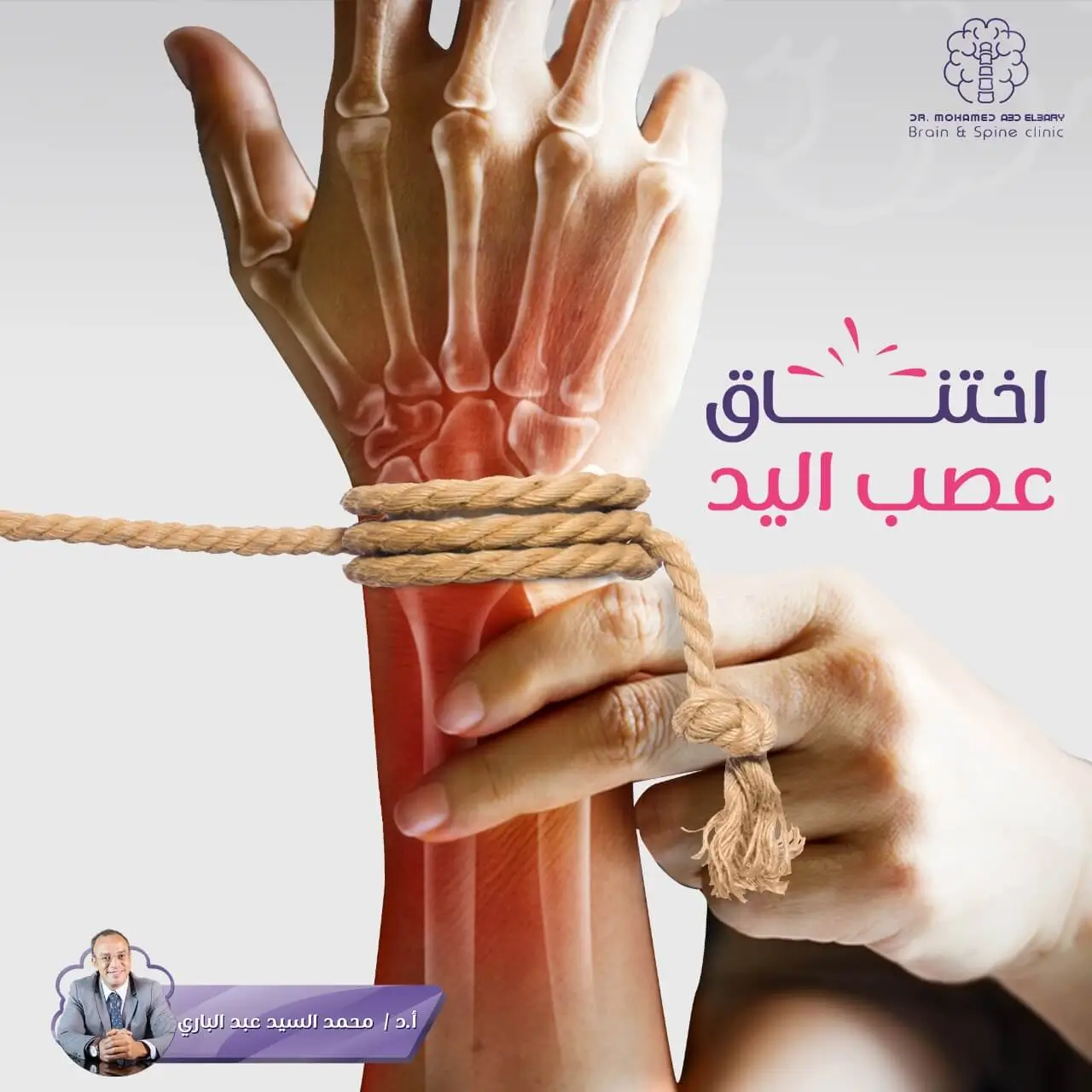
Hand Nerve Compression – Causes, Symptoms, and Treatment
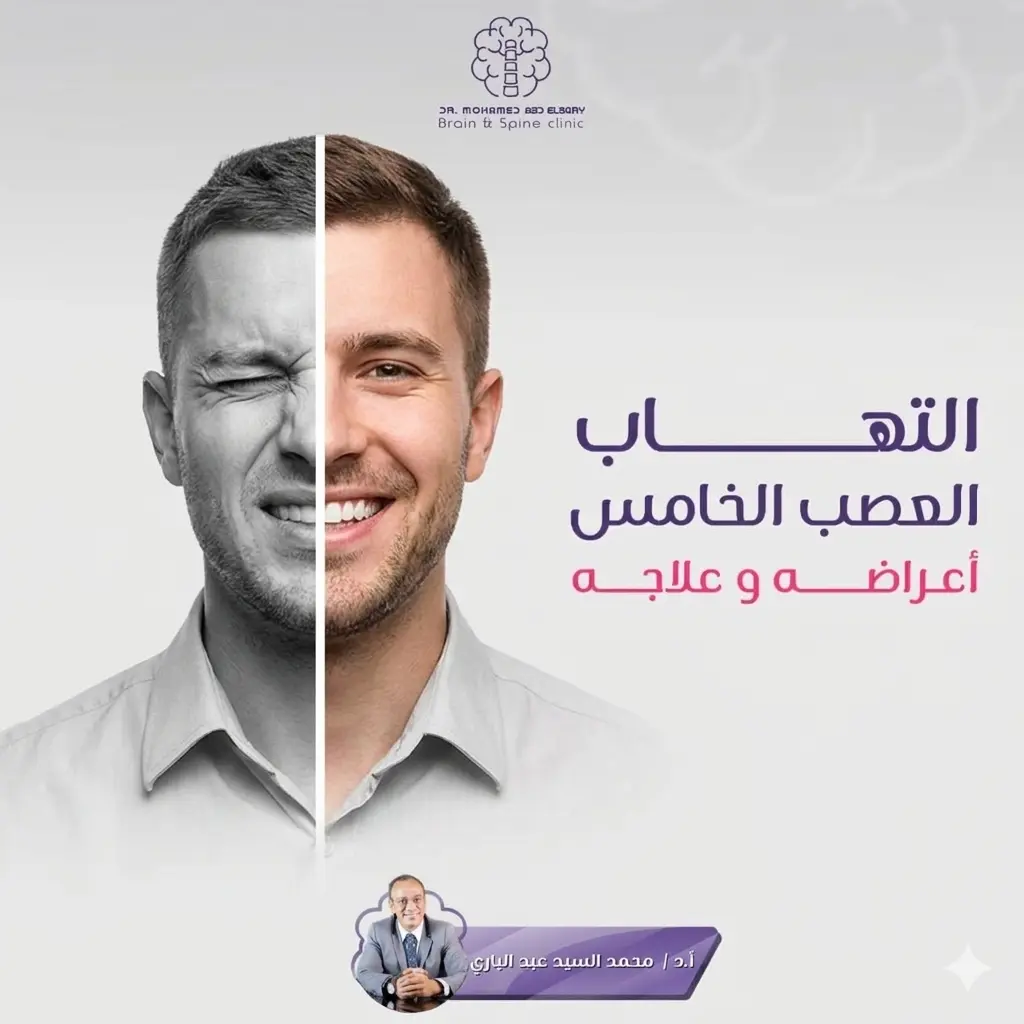
Trigeminal Neuralgia Symptoms: Key Signs & Relief Options
Vertebroplasty: Reasons, procedures and expectations
