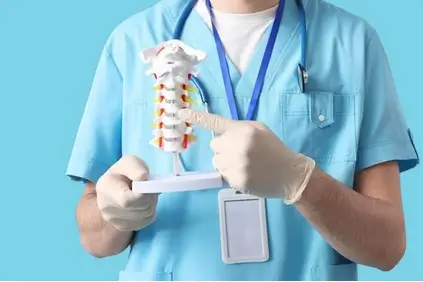
Many people experience back or neck pain caused by a herniated disc, and one of the first questions that comes to mind is: Will I need surgery? The truth is that surgery is not the first option in most cases, as many symptoms can improve with conservative treatment and appropriate medical follow-up. The treatment plan varies depending on the location of the herniation, the severity of pain, the extent of nerve involvement, and whether numbness or weakness in the limbs is present. Therefore, understanding how to treat a herniated disc without surgery begins with identifying the true cause of the symptoms and choosing the treatment that suits the individual case rather than relying on a single approach for all patients.
What Is a Herniated Disc and What Are Its Symptoms?
A herniated disc occurs when part of one of the discs between the vertebrae of the spine protrudes and may irritate or compress a nearby nerve. Symptoms vary depending on the affected area. A lumbar herniated disc may cause pain that radiates from the lower back to the leg, while a cervical herniated disc may cause pain in the neck, shoulder, and arm, along with possible numbness, tingling, or muscle weakness. In some cases, a herniated disc may be present without causing clear symptoms, so the appearance of a disc problem on imaging alone is not enough to confirm that it is the source of pain.
How to Treat a Herniated Disc Without Surgery?
Non-surgical treatment depends on the severity of symptoms and the medical examination rather than imaging results alone. In many cases, doctors begin with a conservative treatment plan aimed at reducing pain and inflammation while gradually restoring movement. Common options include:
- Reducing activities that worsen pain for a short period while avoiding prolonged bed rest.
- Using appropriate medications to relieve pain and inflammation when suitable for the patient's health condition.
- Physical therapy and guided exercises to improve mobility and strengthen muscles.
- Cold or warm compresses depending on which provides symptom relief.
- Certain injections around the nerves or affected area when needed and under specialist medical supervision.
The American Association of Neurological Surgeons indicates that most herniated disc cases do not require surgery and that nerve-related symptoms improve in a large percentage of patients with time and appropriate treatment.
Physical Therapy and Activity Modification
Is Complete Rest Helpful for a Herniated Disc?
Short-term rest may help during severe pain, but prolonged bed rest is generally not the best solution. After the acute phase, gradually returning to appropriate movement and activity can help restore strength and flexibility. A physical therapist can develop a program based on the location of the herniation and the patient's symptoms, which may include flexibility exercises, muscle strengthening, and posture improvement. Patients are also advised to avoid movements that increase pain, especially heavy lifting or sudden twisting.
Cervical Herniated Disc Treatment Without Surgery
When the cervical spine is affected, pain may begin in the neck and radiate to the shoulder or arm, sometimes accompanied by numbness, tingling, or weakness in the hand. In many cases, conservative treatment can be the initial approach, including activity modification, physician-prescribed medications, physical therapy, and monitoring of symptoms. Certain injections may also be used to reduce pain and inflammation in selected cases. The treatment plan depends on the neurological examination and symptom severity, as progressive weakness or problems with walking and balance may change the recommended approach.
Neck Herniated Disc Treatment Without Surgery: When Are Other Interventions Needed?
If pain continues despite conservative treatment, the doctor may consider additional options that are appropriate for the condition, including certain nerve-targeted injections. Receiving spinal injections does not necessarily mean that surgery is required. In some cases, their purpose is to reduce inflammation and pain and help the patient continue physical therapy. The type and location of the injection should be determined after a careful medical evaluation, as a herniated disc may not be the only cause of pain. Likewise, changes seen on an MRI do not automatically mean that intervention is necessary.
What Is the Best Non-Surgical Treatment for a Herniated Disc? When Does Surgery Become Necessary?
If you are asking how to treat a herniated disc without surgery, the answer depends on your individual condition rather than the size of the disc herniation alone. Most patients begin with conservative treatment, but some cases may require surgery if severe pain continues to significantly affect daily life despite treatment, if progressive neurological weakness develops, or if walking and movement become difficult. In cervical disc herniation specifically, surgery may be considered when advanced neurological symptoms are present or when conservative treatment fails. For this reason, medical evaluation should not be delayed if symptoms persist or worsen.
Non-Surgical Herniated Disc Treatment Options That May Suit Some Patients
There is a difference between traditional non-surgical treatment and minimally invasive interventional procedures, and they should not all be placed in the same category. One patient may improve with medication and physical therapy alone, while another may require targeted injections to reduce nerve root inflammation. Minimally invasive procedures are also available for selected cases, but their suitability depends on the type and location of the herniation, the cause of symptoms, and the results of the physical examination and imaging. Therefore, no single technique can be considered the best solution for every patient, and the suitability of any procedure should be evaluated before treatment.
When Should You See a Doctor Immediately?
Some symptoms should not be managed with home treatment or waiting, as they may indicate significant nerve compression. Warning signs that require urgent medical evaluation include:
- Clear or worsening weakness in the arm or leg.
- Loss of sensation in the perineal area or around the rectum.
- Loss of bladder or bowel control or severe difficulty urinating.
- Rapid worsening of pain, numbness, or weakness.
- Increasing difficulty walking or maintaining balance, particularly with cervical herniated disc symptoms.
In some rare cases, severe compression of the group of nerves at the lower end of the spinal cord can cause an emergency condition that requires rapid intervention to prevent permanent complications.
Book Your Appointment to Determine the Most Suitable Herniated Disc Treatment
If you experience persistent back or neck pain, pain radiating to the arm or leg, numbness, or weakness in the limbs, do not rely on self-diagnosis or imaging results alone. At Dr. Mohamed Abdelbary Center for Brain, Nerve, and Spine Surgery in Alexandria, treatment selection begins with an accurate diagnosis to identify the source of symptoms and determine the extent of nerve involvement. The next step is deciding whether your condition is suitable for conservative treatment, a minimally invasive intervention, or another treatment option. The goal is not to perform surgery simply because a herniated disc is present, but to choose the right intervention for the right patient at the right time.
Frequently Asked Questions About Herniated Disc Treatment Without Surgery
Can a Herniated Disc Be Treated Without Surgery?
Yes. Most herniated disc cases do not require surgery and may improve with conservative treatment such as activity modification, appropriate medications, physical therapy, and sometimes injections when recommended by a doctor.
How Long Does Non-Surgical Herniated Disc Treatment Take?
The recovery period varies from person to person depending on the location of the herniation, symptom severity, and nerve involvement. The American Association of Neurological Surgeons notes that symptoms related to herniated discs improve in approximately 9 out of 10 people over time, although the duration of improvement varies between cases.
Can a Cervical Herniated Disc Be Treated Without Surgery?
Yes. Many cervical herniated disc cases improve with conservative treatment and medical follow-up, particularly when there is no progressive neurological weakness or difficulty with walking and balance. The doctor determines the appropriate treatment based on symptoms, examination findings, and imaging when necessary.
Does Physical Therapy Cure a Herniated Disc?
Physical therapy does not necessarily remove the herniated disc itself, but it can help reduce pain, improve mobility, strengthen muscles, and restore the ability to perform daily activities. The treatment program should be tailored to the individual condition and supervised by a qualified specialist.
When Does a Herniated Disc Require Surgery?
Surgery may be considered when disabling pain persists despite conservative treatment, progressive neurological weakness develops, walking and movement become difficult, or bladder or bowel control is affected. Some of these warning signs require urgent medical evaluation.