

Many people suffer from Vitamin B12 deficiency without knowing the reason, especially vegetarians or individuals with absorption issues. In one case, a person complained of constant fatigue, frequent dizziness, and numbness in the hands.
After medical tests, a severe Vitamin B12 deficiency was diagnosed, requiring treatment with vitamin injections. After two months, symptoms improved significantly.
What is Vitamin B12?
Vitamin B12, also known as Cobalamin, is a water-soluble vitamin essential for nervous system health and red blood cell formation. It plays a key role in DNA production and preventing anemia.
Harms of Vitamin B12 Deficiency
- Serious neurological issues such as loss of balance.
- Muscle weakness and difficulty walking.
- Depression and psychological disorders.
- Permanent nerve damage in severe cases.
Benefits of Vitamin B12
- Improves nervous system health → Helps maintain nerve integrity and reduces the risk of neuropathy.
- Boosts red blood cell production → Helps in forming red blood cells, preventing anemia.
- Enhances brain function → Supports memory and concentration, potentially reducing dementia risk.
- Supports heart health → Lowers homocysteine levels in the blood, reducing heart disease risk.
- Boosts immunity and energy → Enhances physical activity and reduces fatigue and exhaustion.
Types of Vitamin B12
- Vitamin B12 Tablets: Available as dietary supplements, though absorption may be weak for some people.
- Vitamin B12 Injections: Used to treat severe deficiency and are directly absorbed by the body.
- Vitamin B12 Medications: Available in various forms such as capsules or liquid.
Types of Vitamin B12 Injections
- Cyanocobalamin → The most commonly used synthetic type.
- Methylcobalamin → Better absorbed by the body, preferred for individuals with absorption issues.
- Hydroxocobalamin → Used for chronic Vitamin B12 deficiency treatment.
Symptoms of Vitamin B12 Deficiency
- Chronic fatigue and exhaustion even with sufficient sleep.
- Poor concentration and memory, especially in older adults.
- Numbness and tingling in the limbs due to its direct effect on nerves.
- Pale skin and anemia due to reduced red blood cell production.
- Digestive issues such as diarrhea or constipation.
- Mood swings and depression caused by its effect on the nervous system.
Best Sources of Vitamin B12
Vitamin B12 can be obtained from several natural food sources, including:
- ✅ Red meat – Such as beef and liver.
- ✅ Fish – Especially salmon, tuna, and sardines.
- ✅ Dairy products – Such as milk, yogurt, and cheese.
- ✅ Eggs – Especially egg yolks.
- ✅ Seafood – Such as clams and shrimp.
For vegetarians, alternatives include:
- Vitamin B12-fortified cereals.
- Dietary supplements to compensate for the deficiency.
Harms of Excessive Vitamin B12
Although generally safe, extremely high doses may cause:
- ⚠️ Skin rash or itching.
- ⚠️ Digestive issues such as diarrhea.
- ⚠️ Slight increase in blood pressure in some individuals.
Vitamin B12 is essential for overall health, and its deficiency can lead to serious issues. It is recommended to obtain it from natural sources or supplements under medical supervision. If you experience deficiency symptoms, it is best to conduct a blood test and consult a doctor for appropriate treatment.
Does Vitamin B12 Cause Weight Gain?
There is no definitive evidence that Vitamin B12 directly causes weight gain, but it may help improve metabolism and energy levels, potentially increasing physical activity and appetite in some individuals.
Suggested Articles

Locations of Spinal Cord Injuries
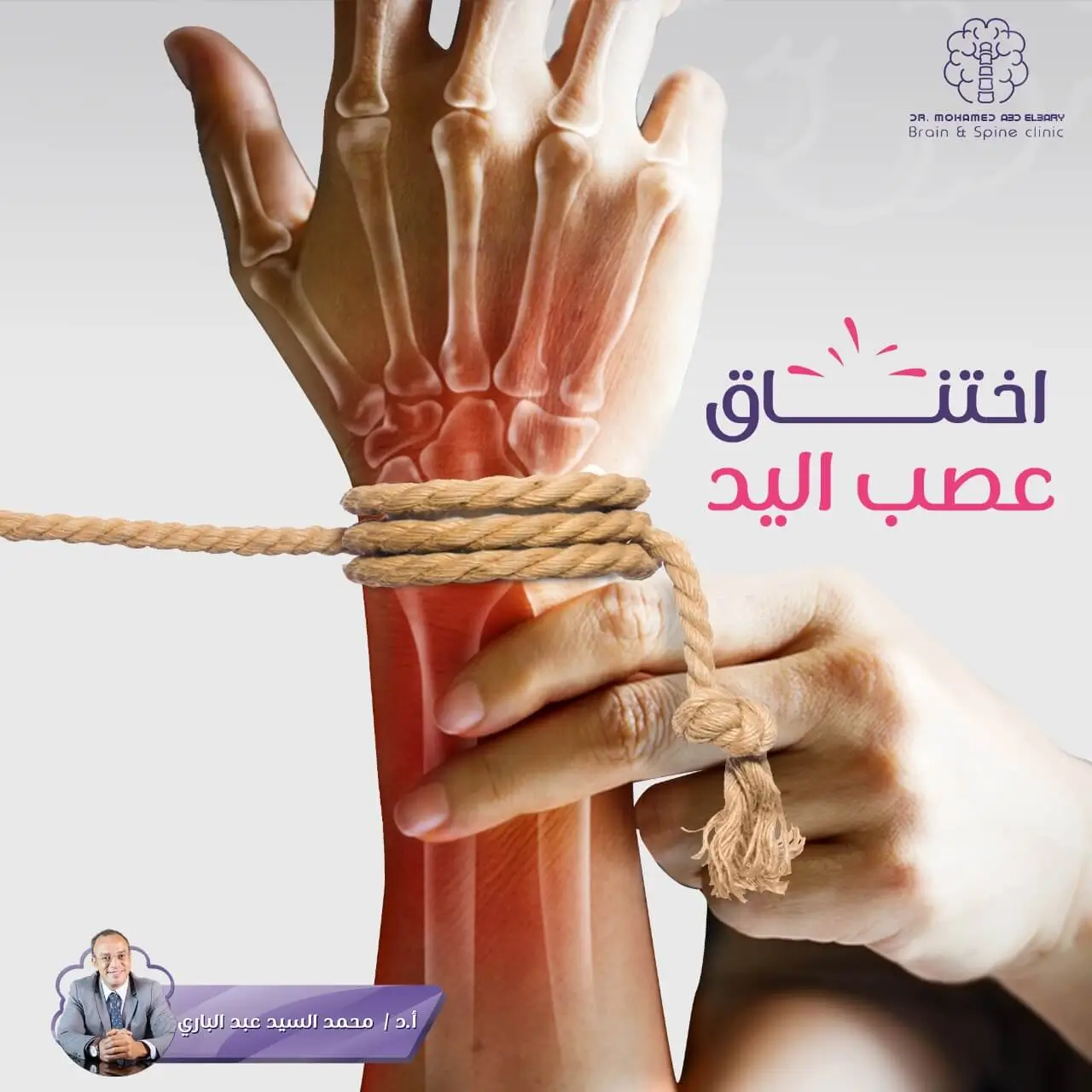
Hand Nerve Compression – Causes, Symptoms, and Treatment

Trigeminal Neuralgia Symptoms: Key Signs & Relief Options

Vertebroplasty: Reasons, procedures and expectations
